
Exploring Directional Boring for Utilities and Telecom
Installing underground utilities and telecom lines can be a complex and disruptive process. Traditional trenching methods often require digging large open trenches, which can damage landscapes, disrupt traffic, and increase project costs. Directional boring offers a less invasive, efficient alternative that is transforming how utility and telecom infrastructure is installed.
This post explores what directional boring is, how it works, its benefits, and practical examples of its use in utilities and telecom projects. Whether you are a contractor, engineer, or property owner, understanding this technique can help you make better decisions for underground installations.
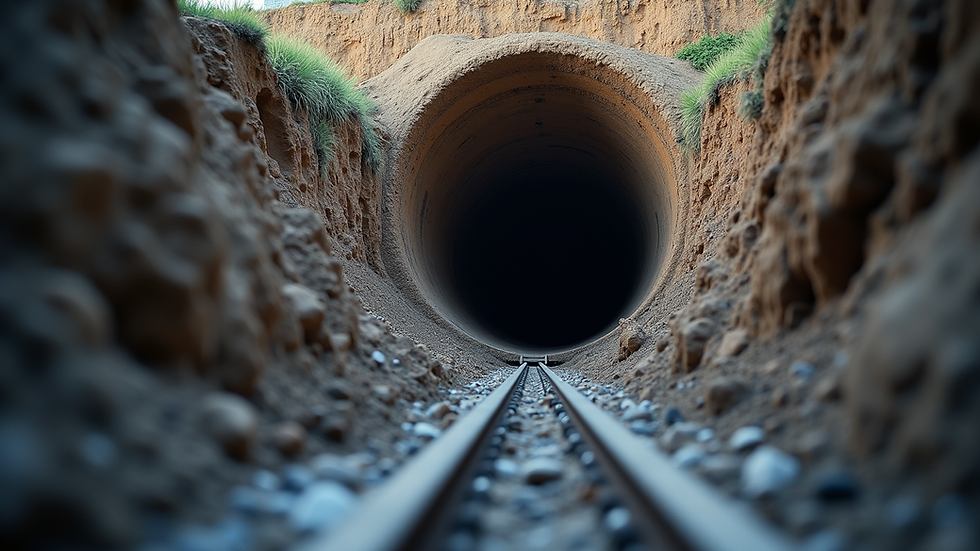
Directional boring machine drilling underground beneath a road to install utility lines without surface disruption
What Is Directional Boring?
Directional boring, also called horizontal directional drilling (HDD), is a trenchless method used to install underground pipes, conduits, and cables. Instead of digging a continuous trench, a specialized drill creates a horizontal borehole along a predetermined path beneath the surface.
The process involves three main steps:
Pilot hole drilling: A small-diameter drill head is guided along the planned route underground.
Reaming: The pilot hole is enlarged by pulling a reamer back through the borehole.
Pullback: The utility pipe or cable is attached to the reamer and pulled back through the enlarged hole.
This technique allows installation beneath roads, rivers, sidewalks, and other obstacles without disturbing the surface.
How Directional Boring Works
Directional boring uses advanced equipment and technology to control the drill’s path precisely. Here’s a closer look at the process:
Planning and surveying
Before drilling, engineers survey the site to map underground utilities, soil conditions, and obstacles. This planning ensures the bore path avoids existing infrastructure and meets depth requirements.
Setting up the drilling rig
The drilling rig is positioned at the entry point, usually on one side of the obstacle. The drill head is launched underground at a shallow angle.
Pilot hole drilling
The drill head is steered using a tracking system that monitors its position and angle. Operators adjust the drill’s direction to follow the planned path, maintaining the correct depth and alignment.
Reaming the hole
Once the pilot hole reaches the exit point, the drill head is replaced with a reamer. The reamer enlarges the hole to accommodate the utility pipe or cable.
Pullback of the utility
The pipe or conduit is attached to the reamer and pulled back through the borehole to the entry point. This step requires careful control to avoid damage.
Restoration
Minimal surface restoration is needed since the ground is mostly undisturbed except for the entry and exit pits.
Benefits of Directional Boring for Utilities and Telecom
Directional boring offers several advantages over traditional open-cut trenching, making it a preferred choice for many projects:
Minimal surface disruption
Because the drilling happens underground, roads, sidewalks, and landscaping remain intact. This reduces the need for costly repairs and limits inconvenience to the public.
Faster installation
Directional boring can complete installations more quickly, especially in urban areas with heavy traffic or sensitive environments.
Reduced environmental impact
The method avoids disturbing large areas of soil, protecting trees, waterways, and habitats.
Access to difficult locations
It allows crossing under rivers, highways, railways, and other obstacles where trenching is impractical or impossible.
Lower overall costs
While equipment and setup can be expensive, savings on restoration, traffic control, and project duration often make directional boring more cost-effective.
Common Applications in Utilities and Telecom
Directional boring is widely used across various underground infrastructure projects. Some typical applications include:
Water and sewer lines
Installing new water mains or sewer pipes beneath roads or environmentally sensitive areas.
Gas pipelines
Running natural gas lines under highways or developed land without excavation.
Electrical conduits
Laying underground electrical cables for power distribution.
Telecom cables and fiber optics
Installing fiber optic cables for high-speed internet and telecommunications, especially in urban or suburban neighborhoods.
Stormwater drainage
Creating underground drainage systems without disrupting surface features.
Real-World Examples
Fiber Optic Installation in Urban Areas
A city needed to expand its fiber optic network to provide faster internet to residents. Traditional trenching would have required closing busy streets and damaging sidewalks. Using directional boring, contractors drilled beneath the roads, installing conduits with minimal surface impact. The project finished ahead of schedule, and residents experienced little disruption.
Water Main Replacement Under a Highway
A municipality faced the challenge of replacing an aging water main running beneath a busy highway. Open-cut trenching would have caused major traffic delays and safety risks. Directional boring allowed crews to install the new pipe without closing lanes, maintaining traffic flow and reducing project costs.
Challenges and Considerations
While directional boring offers many benefits, it also has limitations and requires careful planning:
Soil conditions
Rocky or unstable soils can complicate drilling and increase risks of borehole collapse.
Utility conflicts
Accurate mapping of existing underground utilities is essential to avoid damage.
Equipment and expertise
The process requires specialized rigs and skilled operators, which may not be available everywhere.
Bore length and diameter limits
Very long or large-diameter installations may require alternative methods.
Tips for Successful Directional Boring Projects
To maximize the benefits of directional boring, consider these best practices:
Conduct thorough site surveys and utility locates before drilling.
Choose experienced contractors with proven directional boring expertise.
Plan bore paths carefully to avoid obstacles and sensitive areas.
Use real-time tracking and monitoring systems during drilling.
Communicate with local authorities and the public to manage expectations.
Directional boring is a powerful tool for installing underground utilities and telecom lines with less disruption and greater efficiency. As infrastructure demands grow, this trenchless method will continue to play a key role in building resilient, modern networks.
If you are planning an underground installation, explore how directional boring can save time, reduce costs, and protect your site. Reach out to qualified professionals to discuss your project needs and options.


Comments